
Free written scope consultation - allowances, timeline, and change-order rules on paper before a single trade is scheduled
Silestone Home Additions & ADU: The Sacramento Owner’s Guide
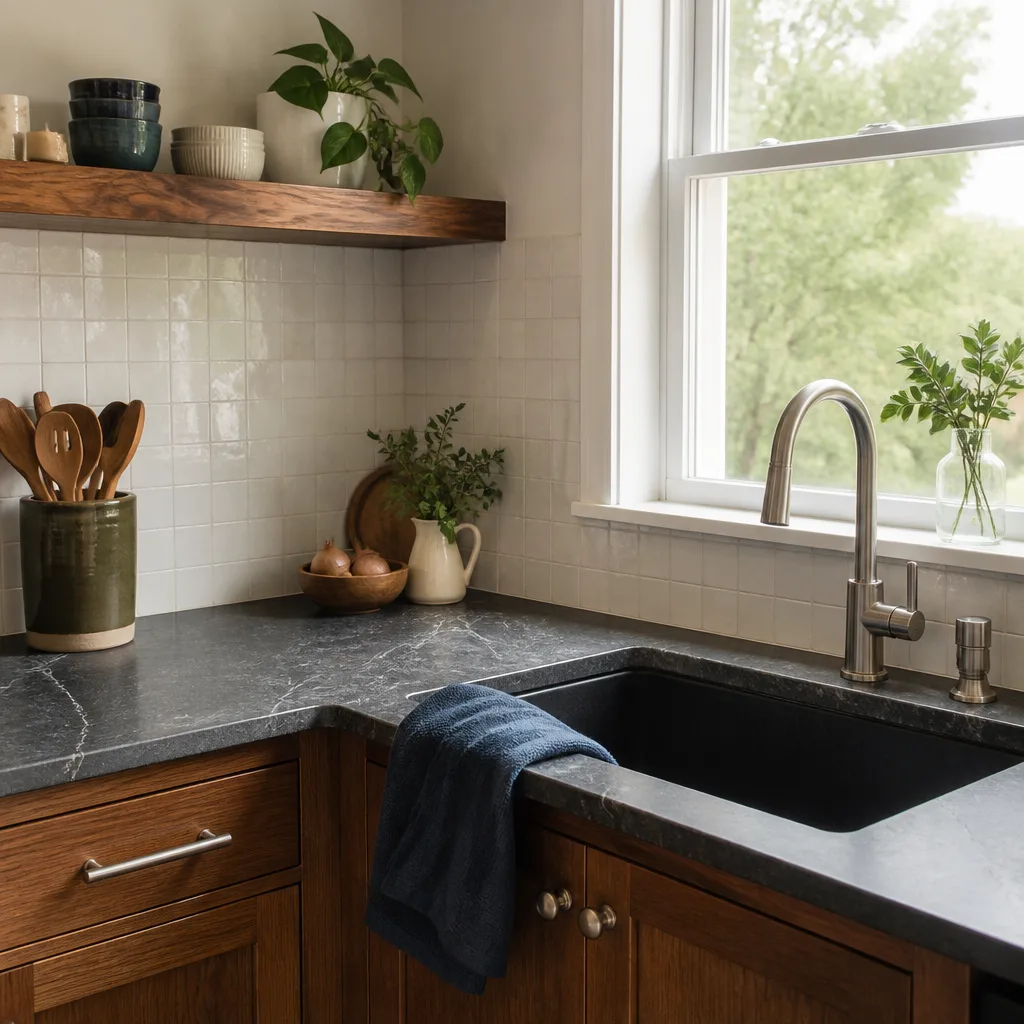
Silestone countertops don’t just belong in kitchens. When you’re planning a home addition or an ADU in Sacramento, Silestone surfaces are a practical choice for wet bars, bathroom vanities, laundry rooms, and kitchenettes. But here’s what most homeowners don’t figure out until mid-project: your contractor needs to understand Silestone’s specific fabrication and install requirements before framing even starts. We do. That’s the difference between an ADU that looks sharp on day one and one that holds up through Sacramento’s dry summers and wet winters.
We stock and install Silestone-compatible materials for additions and ADUs across Sacramento, and a typical project runs $45,000 to $130,000 depending on square footage, layout, and finish level. If you’re reading this because a countertop cracked, a seam separated, or a slab was measured wrong on a recent addition, we can assess it and give you a written price. Not an estimate that drifts. A price that holds.
Which Silestone Models This Applies To
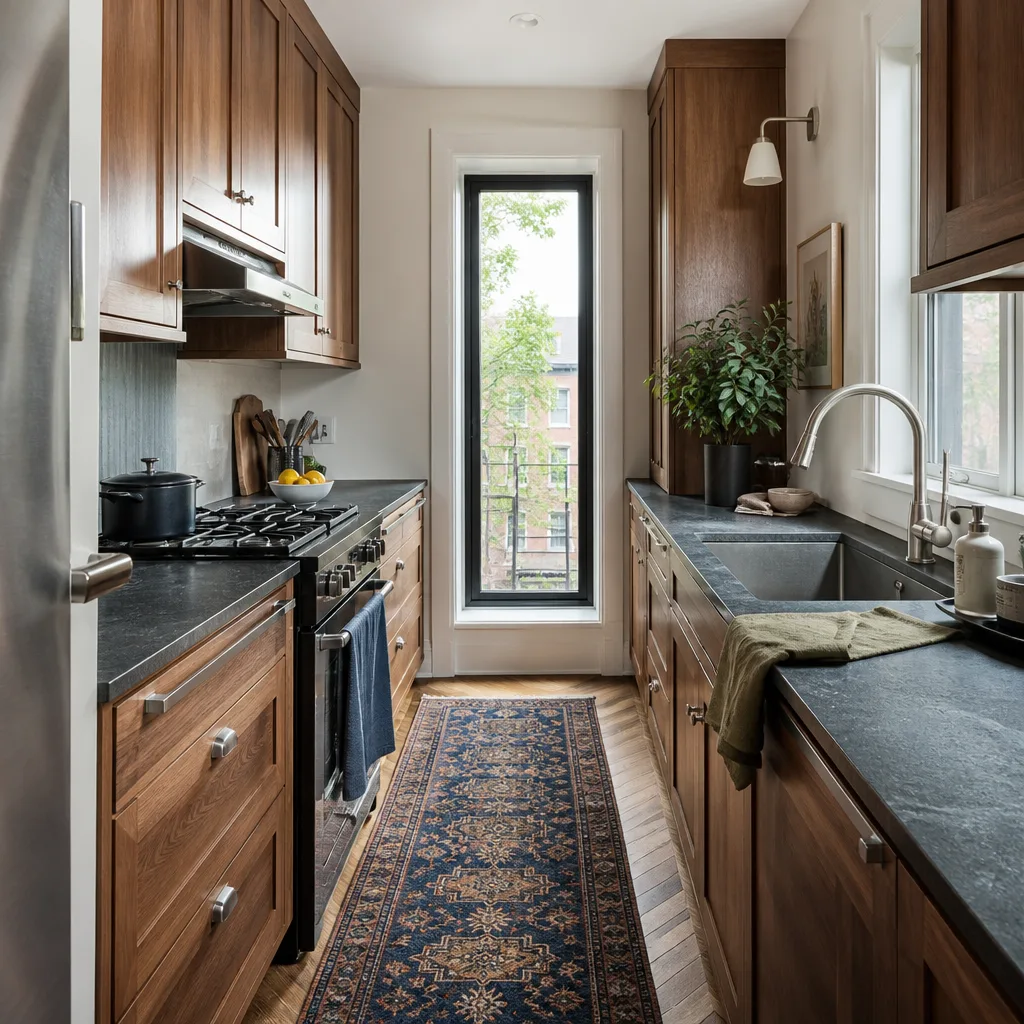
Silestone is a quartz surface, not natural stone, which means every slab is engineered to consistent thickness, typically 2cm or 3cm. That matters for an addition or ADU because your cabinet contractor, your framer, and your countertop fabricator all need to agree on that number before the cabinet boxes get built. A 3cm slab doesn’t need plywood underlayment. A 2cm slab usually does. If someone misses that detail, your counter height is off by three-quarters of an inch, and you feel it every time you cook.
For Sacramento additions, we work with the full Silestone color range, including the Suede and polished finishes. The compatibility question isn’t usually about the color line. It’s about the edge profile, the overhang, and whether your island or peninsula needs steel support brackets for a 12-inch overhang. Silestone doesn’t make brackets. But any home addition with a seated island needs them, and that’s a spec we write into the scope before drywall goes up.
We also install Cambria and Caesarstone when a client wants a different quartz line, and KraftMaid cabinetry underneath. But if you’ve already picked Silestone, we match it exactly. No “close enough” on a $45,000-plus project.
Styles & brands we work with







How Sacramento Weather Affects Silestone During Construction
Quartz doesn’t warp like wood, but it does expand and contract slightly with temperature changes. Sacramento swings from 40-degree winter mornings to 105-degree summer afternoons. If your ADU sits unheated while the countertops go in, and then you fire up the HVAC for the first time a month later, that slab moves a fraction. Usually it’s fine. But if the seam was cut tight against a wall on a cold morning, you might see hairline separation at the joint come August.
We sequence Silestone installation in Sacramento additions to happen after the space is dried in and conditioned, or at least after major temperature swings settle. That’s a sequencing detail a lot of contractors skip because it slows the schedule. It’s the kind of thing that shows up two seasons later as a callback, and callbacks are what our 365-Day Done Right Promise is built to handle. If the seam opens or the surface fails inside that year, we come back and make it right at no charge.
Signs Your Silestone Home Addition or ADU Install Is Failing
If you’re already living with a Silestone surface from a previous addition or ADU build, here’s what goes wrong and what it means:
- Seam separation at the joint. Two slabs meet at a seam, and now there’s a gap or a ridge you can catch with a fingernail. This is usually thermal movement or a seam that was cut too tight in the first place. It rarely fails overnight; it opens slowly through a season change.
- Cracked corner near a sink or cooktop. Quartz is hard, but it’s not indestructible. A dropped cast-iron pan or an over-tightened faucet nut can crack a corner. If the crack runs from a cutout, the cutout radius was probably too tight.
- Overhang flexing when you lean on it. A 12-inch overhang on a kitchen island should not move. If it does, the support brackets are undersized or missing. Every batch of brackets we install is sized to the slab overhang and the cabinet base, not guessed at.
- Caulk line pulling away at the backsplash. This one’s common in ADUs that went through a full Sacramento summer and winter. The slab moves a little, the caulk doesn’t. It’s cosmetic until it isn’t, because water gets behind it and starts working on the drywall or cabinet rail.
- Micro-chips along the front edge. Repeated bumps from a trash pull-out or a chair back will chip a polished edge over time. Most fixable with a clear epoxy fill and re-polish. Left alone, they collect grime and get worse.
See the difference
 Before
 After
After Before
 After
After Before
 After
AfterReplacement Cost & What’s Included
If you’re replacing a failed Silestone surface rather than starting fresh, expect to pay $2,000 to $6,500 per counter, depending on square footage and edge profile. That’s parts and labor, fabricated and installed. If you’re adding or replacing Silestone as part of a larger home addition or ADU project in Sacramento, the full project range is $45,000 to $130,000, with the countertop portion typically landing in that $2,000 to $6,500 window per surface.
Here’s what’s in a Silestone replacement from us:
- Template and measure: We come out, laser-measure the base cabinets, and write the exact slab dimensions. No one eyeballs this.
- Fabrication: Cut, edge profile, sink or cooktop cutout, and seam layout planned before the slab hits the saw.
- Removal and disposal of the old surface, if we’re replacing.
- Install and leveling on your existing cabinet base, including any shim work needed to get the slab flat.
- Seam and edge finishing with color-matched adhesive and polish.
- Written warranty under our 365-Day Done Right Promise. If it fails inside a year, we return and correct it at no charge. That’s not a manufacturer line. That’s ours, in writing, at close.
The biggest cost driver is the edge profile. A basic eased edge costs less to fabricate than a full bullnose or a mitered waterfall edge. The second driver is sink cutouts: an undermount sink needs more fabrication time than a drop-in. We’ll show you the line items before we start, so you know exactly where the dollars go.
DIY or Call Us?
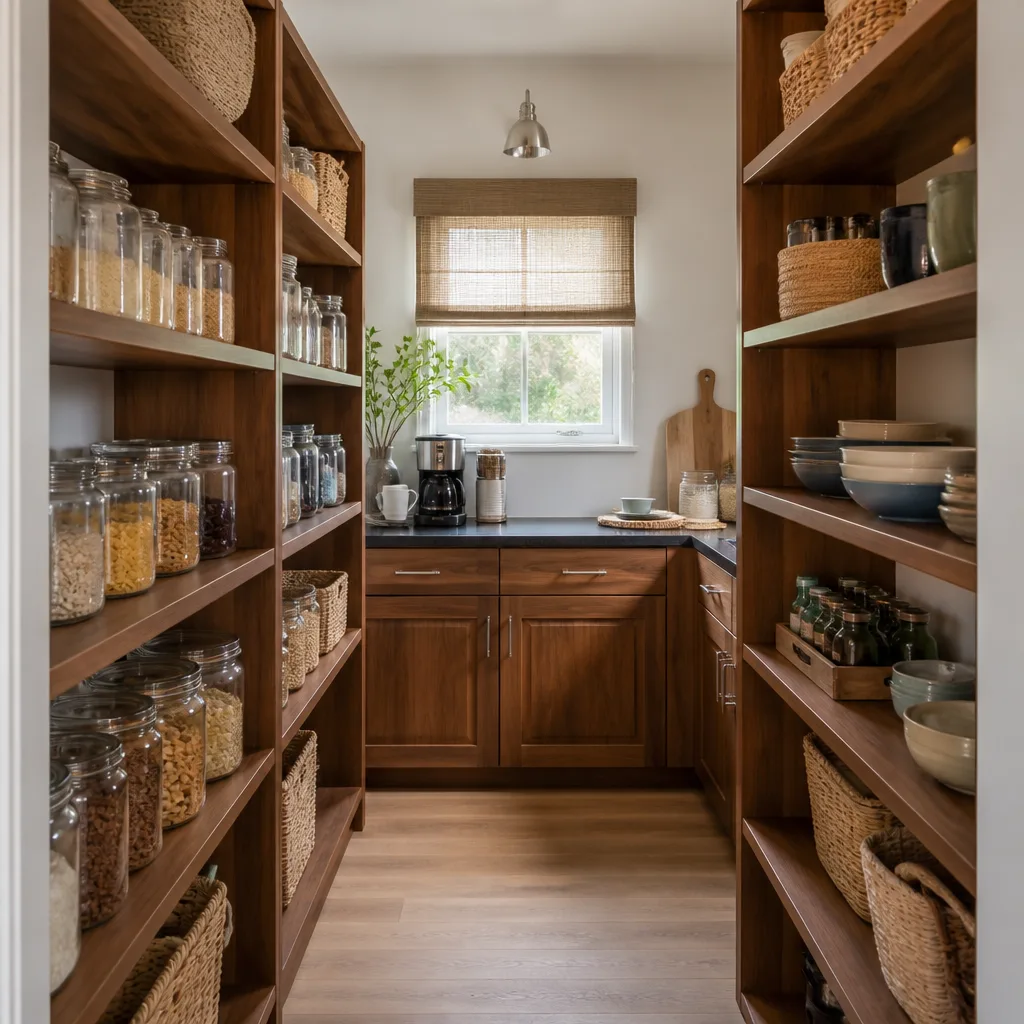
Silestone is a manufactured quartz slab. You can’t cut it with a tile saw and expect a clean edge. You need a bridge saw or a CNC, plus diamond tooling and a wet process. That’s not a weekend DIY situation. What you can safely do is check your existing surface: run your hand along the seam line, push gently on the overhang, look under the sink for water stains on the cabinet floor. Those observations help us diagnose before we arrive.
What goes wrong when homeowners try to fix their own Silestone is usually a bad epoxy fill on a chip or a seam. The materials aren’t hard to buy. The technique and the color matching are. Every Silestone color has a specific resin and pigment blend, and getting it wrong makes the repair more visible than the damage. If the surface is cracked, separated, or flexing, call us at (279) 226-1509. We’ll assess it, write the price, and tell you honestly whether it’s a repair or a replacement. No pressure either way.
FAQs
Silestone is engineered quartz and carries a manufacturer’s warranty that typically runs 25 years for the original owner. In Sacramento conditions, a properly fabricated and installed Silestone surface should hold for 20-plus years with routine care. The weak points are seams and edges, not the slab itself, and those depend on installation quality more than age.
A hairline crack can sometimes be filled with color-matched epoxy and re-polished, but the repair is usually visible up close, and the crack can continue to run. A crack that radiates from a sink or cooktop cutout often means the cutout radius was too tight, and replacement is the honest fix. We’ll tell you which one you’re looking at before you spend a dollar.
Once the slab is selected and the template is cut, fabrication runs three to seven business days, and installation takes half a day to a full day per surface. For a new ADU build, we sequence the Silestone install after dry-in and cabinet set, which keeps the schedule moving without rushing the fabrication.
We source slabs through regional Sacramento fabricators who carry current Silestone color lines. We handle the ordering, the templating, and the fabrication. You don’t have to buy materials separately. We also work with Cambria, Caesarstone, and KraftMaid if you’re comparing cabinetry and surface options for the same project.
No. The Garrison Standard requires a written price before any work begins, and that price is the price. If we find hidden damage after demo, we stop, show you what we found, and write a change order before doing anything else. No door-knock repricing. No surprises after the drywall goes up. That’s the whole point of the way we work.
Written by Curtis Lane, Owner, Bradford Remodeling Co Sacramento at Bradford Remodeling Co Sacramento, serving Sacramento and nearby areas.


