
Free written scope consultation - allowances, timeline, and change-order rules on paper before a single trade is scheduled
Barrette Home Additions & ADU: The Sacramento Owner’s Guide
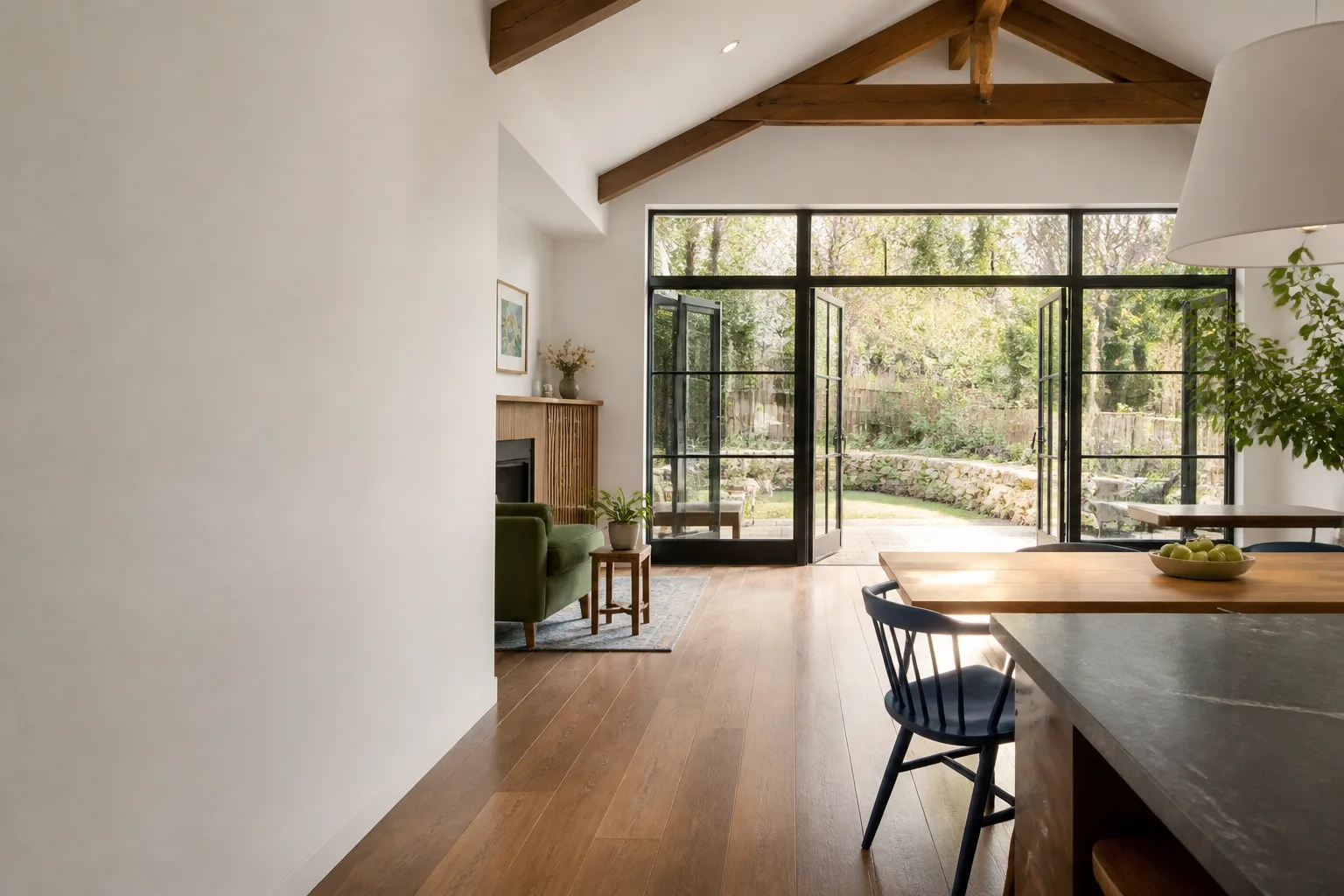
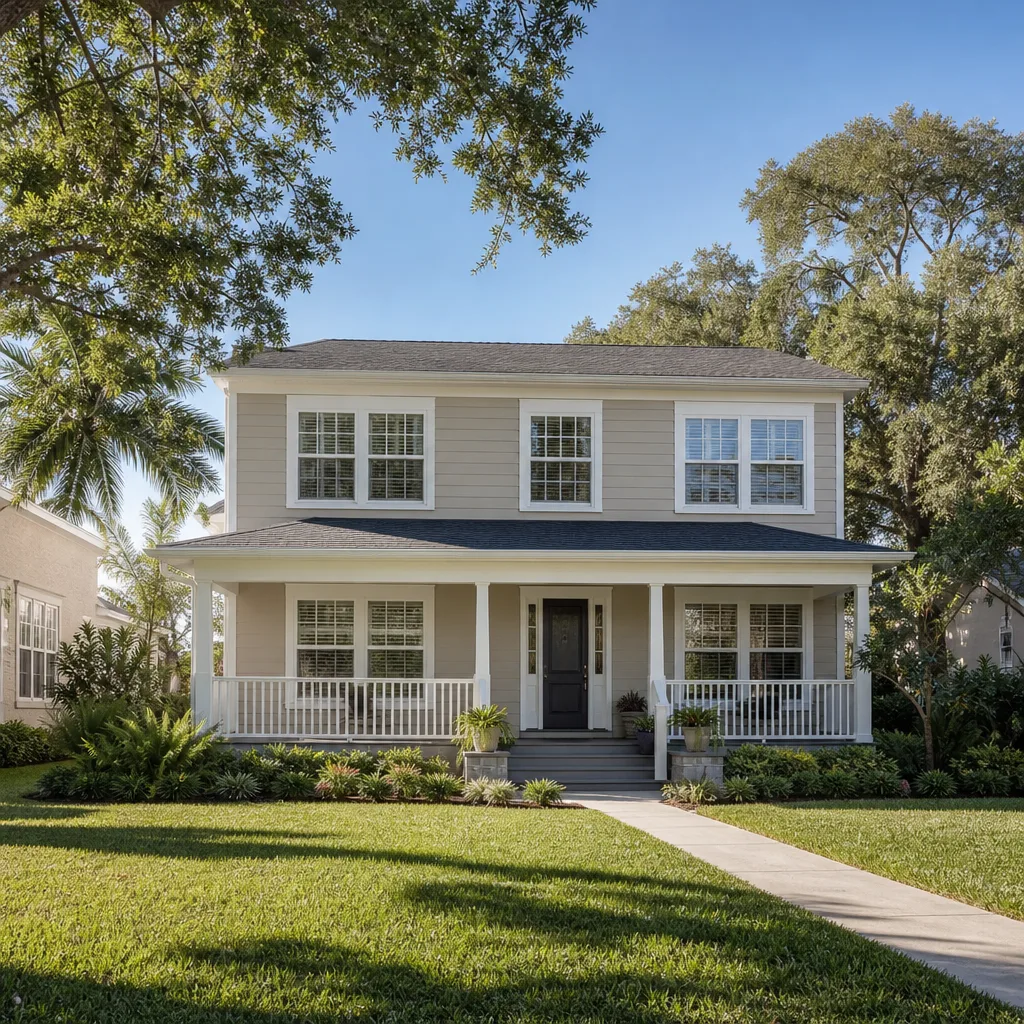
Barrette home additions and ADU construction in Sacramento typically run $45,000 – $130,000 for a full addition, with standalone ADUs landing between $90,000 – $220,000 depending on square footage, foundation work, and finish level. We’re Bradford Remodeling Co Sacramento, and we handle the structural and finish work on Barrette-style additions and ADUs from rough-in through final inspection. Most owners call us when they’ve got a failing or compromised section of an existing addition: a floor that’s gone soft, a roofline that’s no longer shedding water, or an ADU shell that never got finished after the original contractor walked.
Here’s what you need to know before you spend a dollar: the frame is only as good as the connection points, and in Sacramento’s clay-heavy soil, that means foundation and tie-down work matters more than anything else on the permit sheet. A Barrette addition that’s showing cracks at the sill plate or separation at the roofline is not a cosmetic problem. It’s a structural one that gets more expensive every season you wait.
Key Takeaways
- Full home additions in Sacramento: $45,000 – $130,000; ADUs: $90,000 – $220,000
- We’re an independent Sacramento contractor, not affiliated with Barrette
- Every job gets a written price before work starts, and a 365-Day Done Right Promise in writing at close
- The most common failure points we see: foundation settlement, roof tie-in leaks, and under-built framing at the connection to the original structure
Which Barrette Home Additions & ADU Setups This Applies To
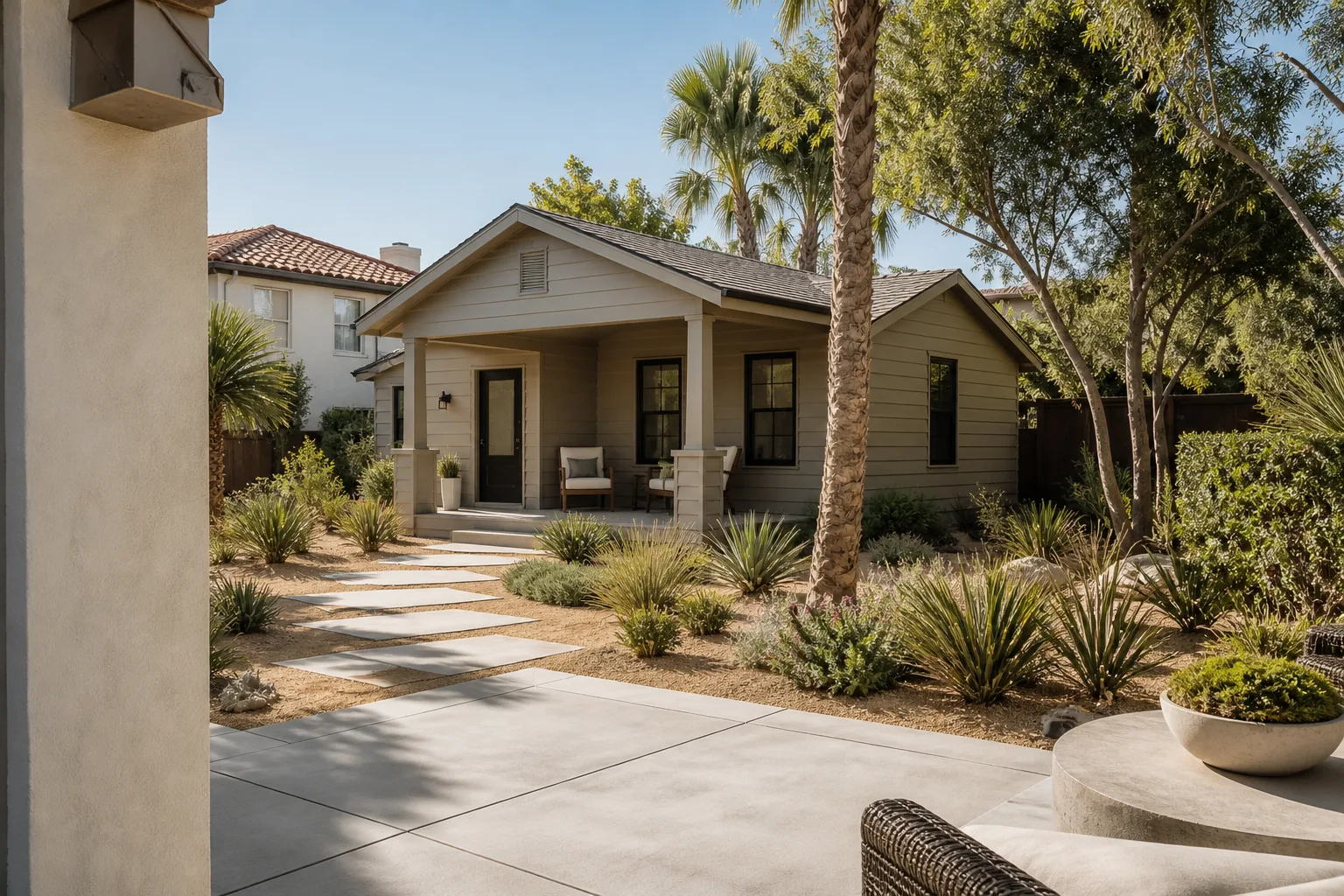
Barrette’s product line in the addition and ADU space centers on pre-engineered wall panels, floor systems, and structural components designed for residential expansion. The compatibility question that matters most is how the original addition was tied to the primary structure. If your addition was built as a modular or panelized install, the connection hardware, flashing, and load-path hardware are specific to that system. Mixing hardware from another manufacturer at those connection points is how you get a failed inspection or a leak that nobody catches until the drywall shows staining.
For owners trying to identify what they have: look for the manufacturer stamp on the bottom chord of any exposed floor joist or on the inside face of an exterior wall panel. Barrette components are usually marked with a series code and a date of manufacture. That code tells us what hardware was spec’d for the original install, which matters because retrofit tie-downs and hold-downs must match the original load path. An aftermarket bracket that looks close enough is not close enough when it’s holding a second-story wall in a 90-mile-an-hour wind event. We stock OEM Barrette-compatible connection hardware on the truck for most common panelized systems, and we can usually source the rest from our Sacramento suppliers same week.
Styles & brands we work with







Signs Your Barrette Home Addition or ADU Is Failing
- Cracks at the interior corners of door and window openings in the addition. This usually means differential settlement, either at the foundation or at the tie-in point where the addition meets the original house. Sacramento’s expansive clay soil expands and contracts with moisture, and additions built without proper soil prep or pier depth show this within the first three to five years.
- Water staining or soft drywall along the roofline where the addition connects to the main structure. The roof tie-in is the single most common leak point on any addition. If the original flashing was under-lapped or the step flashing wasn’t integrated with the existing roof, water gets in every time it rains. Sacramento doesn’t get much rain, but when it does, it finds that seam.
- Interior doors in the addition that stick in the summer and swing freely in the winter. That’s the frame moving with seasonal moisture swings. Some movement is normal in a wood-framed Sacramento addition; a door that won’t close at all in August is a sign the foundation or the framing below that wall has a problem.
- Sagging or bouncy floors in the addition, especially where the addition meets the original exterior wall. This is a load-path issue. The original house was built to carry a certain load; the addition adds weight to that connection. If the original rim joist wasn’t reinforced or the new floor system wasn’t properly hung, the floor deflects and you feel it when you walk across it.
- Visible separation at the exterior seam between the original house and the addition. Caulk cracks, siding pulls away, and you can see a gap that widens in dry months. That seam is the most honest indicator of what’s happening structurally. It’s telling you the two structures are moving independently, which is exactly what the tie-in was supposed to prevent.
If you’re seeing more than one of these signs, the fix is not to caulk the seam and hope. The fix is to have the structure evaluated, identify what’s moved and why, and correct the load path before the next wet season puts it to the test.
Replacement Cost & What’s Included
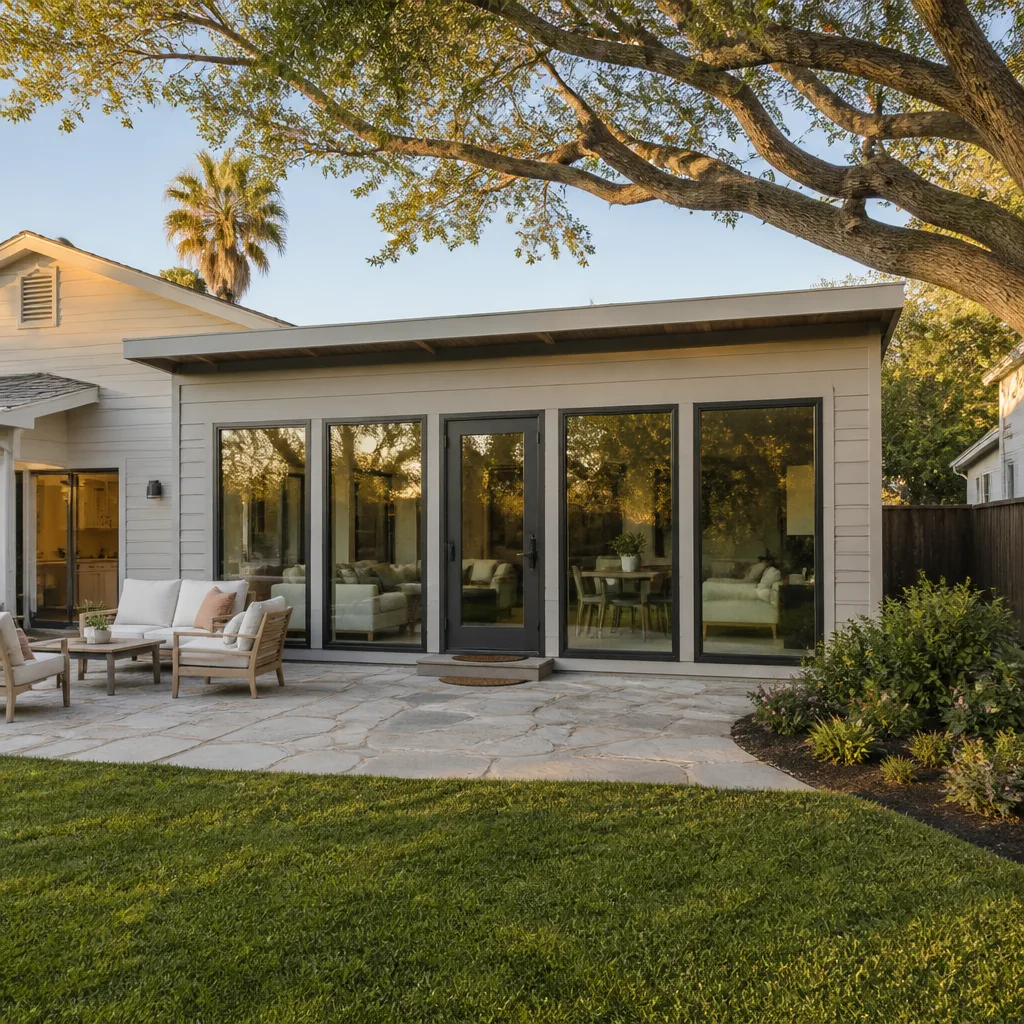
Here are the Sacramento installed price ranges, in writing, for the most common Barrette-related addition and ADU repairs and builds:
- Full home addition (Barrette-style panelized or conventional frame): $45,000 – $130,000
- Detached ADU construction: $90,000 – $220,000
- Garage conversion to living space: $30,000 – $80,000
- Structural tie-in repair (roof or wall connection): $3,000 – $10,000 depending on access and the extent of the framing work
- Floor system repair or partial reframe: $4,000 – $14,000 depending on span and what’s below
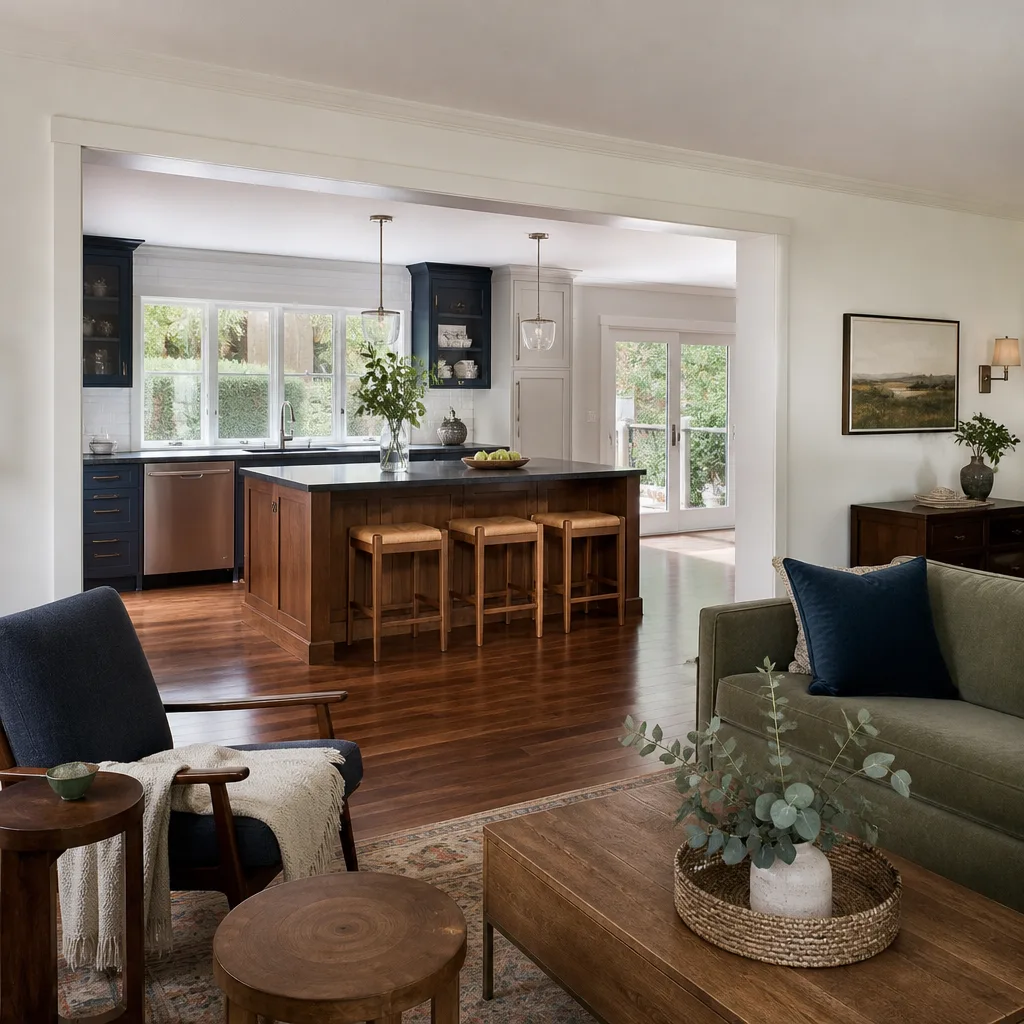
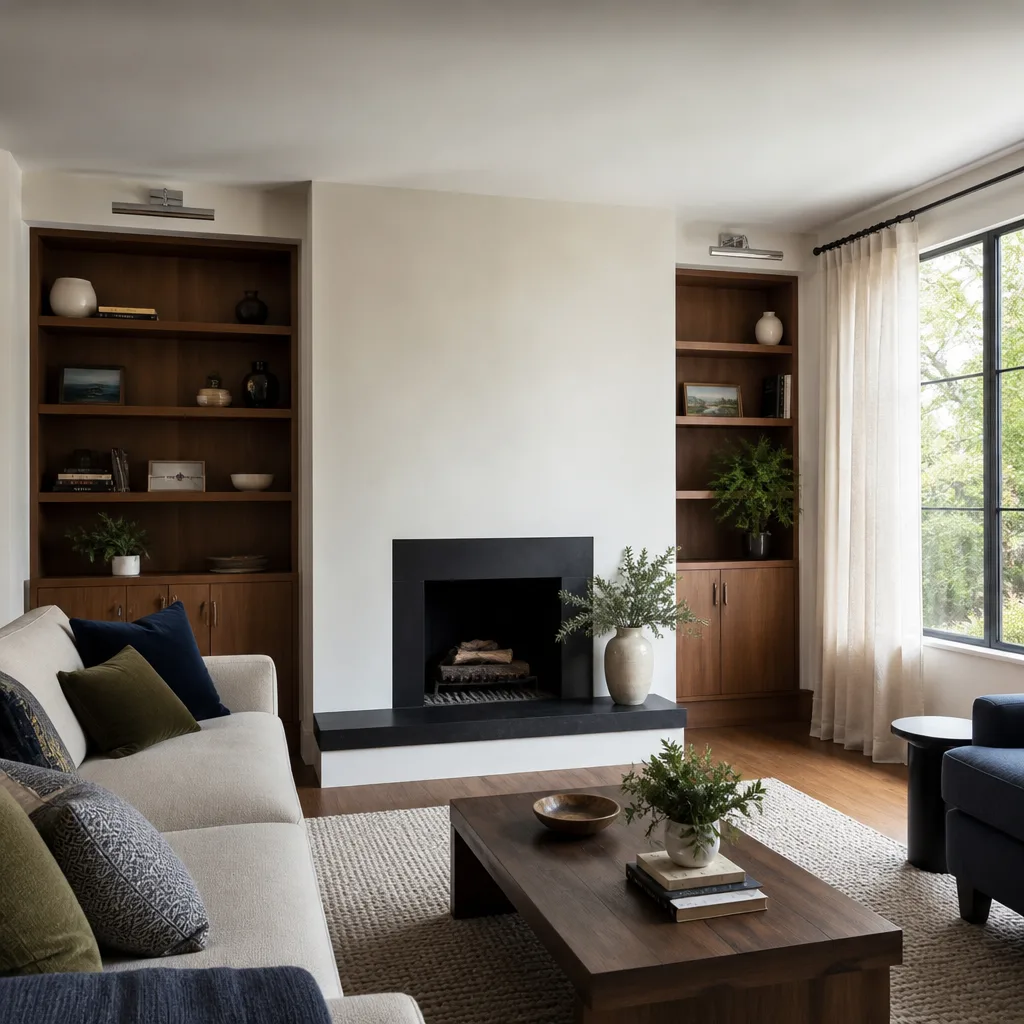
What drives the range on a full addition or ADU: square footage, foundation type (slab on grade versus raised with craw space), roof tie-in complexity, and interior finish level. A 400-square-foot addition with a simple gable roof, basic drywall, and a single bathroom is a different project than a 900-square-foot addition with a kitchen rough-in and a vaulted ceiling. Every Bradford project gets a written price before work starts. No numbers that move at the door, no change orders that show up after the drywall is hung. When we close a job, the site is clean, the scope is documented, and you’ve got a signed written guarantee in your hand. That’s the 365-Day Done Right Promise: if the work fails inside a year, we come back and correct it at no charge.
Straight scope, firm price, no surprises after the drywall goes up.
See the difference
 Before
 After
After Before
 After
After Before
 After
AfterDIY or Call Us?
There are things you can safely do yourself, and things you shouldn’t touch without a licensed contractor. Cosmetic checks: yes. Go look at the seam between the addition and your original house, check for visible cracking, look at the roof tie-in from the ground, inspect your crawl space for standing water or separated framing. Document what you see with photos and dates. That’s useful information for any contractor you call.
What you should not do yourself: anything that involves cutting into a load-bearing wall, altering the roof structure, or working at height on a steep pitch. A roof tie-in repair means you’re removing roofing, flashing, and possibly sheathing, then walking on a surface that was never designed for a full crew. Falls from residential roofs kill and cripple hundreds of homeowners every year, and structural work done wrong in Sacramento’s earthquake zone is a failure waiting for the wrong day. The Garrison Standard exists for a reason: background-checked, uniformed technicians who know the load path and pull the permit before they pull a single nail. If you’re unsure whether your addition is safe to occupy, call us at (279) 226-1509. The evaluation is free, and a real person answers the phone 24/7, not a voicemail.
FAQs
A properly built addition or ADU in Sacramento should last 50 – 80 years before major structural work is needed, but the roof tie-in and foundation will typically need attention inside the first 10 – 15 years due to our clay soil’s seasonal movement. The lifespan reality is that Sacramento’s expansive soil puts more stress on addition foundations than almost any other factor; additions built without soil testing or proper pier depth show problems in the first five years. Call (279) 226-1509 if you’re seeing cracks, sticking doors, or floor bounce – we’ll assess it and give you a written price before any work starts.
In most cases, yes – we repair the specific failure point rather than rebuilding the entire structure, whether that’s the roof tie-in, the foundation connection, or a section of compromised floor framing.
The decision to repair versus rebuild comes down to how much of the original framing is compromised. If the failure is localized to a connection point or a single section of floor system, repair is almost always the right call. If the original build skipped fundamental steps like proper hold-downs at the shear wall or adequate foundation depth, the repair gets more extensive, but rebuilding from scratch is rarely necessary. The Garrison Standard means we document exactly what we find and what we propose to fix, with a price in writing before the first tool comes out. Call (279) 226-1509 for an evaluation – estimates are free.
A focused structural repair – tie-in work, a partial floor reframe, or foundation connection correction – typically takes 3 – 10 working days from permit to final inspection, depending on scope and access. A full addition or ADU build runs 3 – 7 months in Sacramento, with the biggest variables being plan check turnaround at the city and soil conditions on your lot. We pull permits on every job, and we coordinate the inspections so you’re not chasing a phone number at the building department. For an honest timeline on your specific project, call (279) 226-1509 – a live person picks up, and we’ll talk scope and schedule without a sales pitch.
Yes, we keep common Barrette-compatible connection hardware, flashing, and structural components on our trucks and at our Sacramento supplier network, and we can source OEM-spec parts for most panelized systems within a week.
We’re an independent Sacramento contractor, not affiliated with Barrette, which means we’re free to use the right part for the job – OEM Barrette components where the original load path requires them, and quality aftermarket equivalents only where the spec allows it and the engineering supports it. That independence is the point: we answer to you and to the building code, not to a manufacturer’s parts catalog. Need to know if your addition’s tie-in hardware is still doing its job? Call (279) 226-1509 – a live person answers, and we’ll schedule a look.
Get an Honest Price on Your Barrette Addition or ADU Repair
You’ve been through the runaround before. The contractor who no-shows, the price that moves at the door, the job that never gets inspected. We built Bradford Remodeling Co Sacramento specifically for homeowners who are done with that. The Garrison Code is simple: written price before work starts, background-checked uniformed technicians on the job, a live person on the phone 24/7, and the 365-Day Done Right Promise in writing when the job closes. We carry KraftMaid, Cambria, and Silestone products for interior finish work, and everything we install is documented, spec’d, and backed by a full-year written guarantee.
If your Barrette home addition or ADU is showing signs of structural stress, don’t wait for the next rain to prove the point. Call (279) 226-1509 and ask for Curtis Lane. We’ll walk the structure, tell you what’s actually going on, and give you a written price before any work begins. Free estimate, firm numbers, and a guarantee in writing.
Written by Curtis Lane, Owner, Bradford Remodeling Co Sacramento at Bradford Remodeling Co Sacramento, serving Sacramento and nearby areas.


