






Free written scope consultation - allowances, timeline, and change-order rules on paper before a single trade is scheduled
PGT Home Additions & ADU: The Sacramento Owner’s Guide
If you’re looking at PGT windows and doors as part of a home addition or ADU project in Sacramento, you’re already thinking ahead. PGT aluminum and vinyl impact-rated products are a smart spec for the Sacramento Valley’s summer heat and the occasional windstorm that rips through places like Natomas and Elk Grove. But “PGT Home Additions & ADU” is not a single part you order off a shelf. It’s a scope of work: framing, rough openings matched to PGT’s exact flange dimensions, and finish trim that holds up to our dry summers. A typical PGT-equipped addition in Sacramento runs $45,000 to $130,000, while a full ADU with PGT windows and doors lands between $90,000 and $220,000. The part that fails first is usually the marriage of the frame to the PGT product, not the PGT product itself.
That’s the thing most owners learn the hard way. PGT builds the window or door to a published specification, but if the rough opening is even 3/8 inch off, no amount of shim and seal gets you a squared, operating unit. When we’re called out to fix a failing addition or ADU in Sacramento, the problem is rarely the glass. It’s the gap, the water intrusion, the substrate rot around the PGT frame, or the flashing detail someone skipped because they were trying to finish before the rains hit.
So this page is about the whole system: the PGT product, the surrounding structure, and how we make it right in Sacramento. We’re independent, which means we carry full PGT-compatible installation knowledge but we are not affiliated with PGT. We order their products through our material channels and install them to spec. If the PGT product itself is failed, we’ll say so. Most of the time, though, the problem started before the window ever went in.
Which PGT Models This Applies To
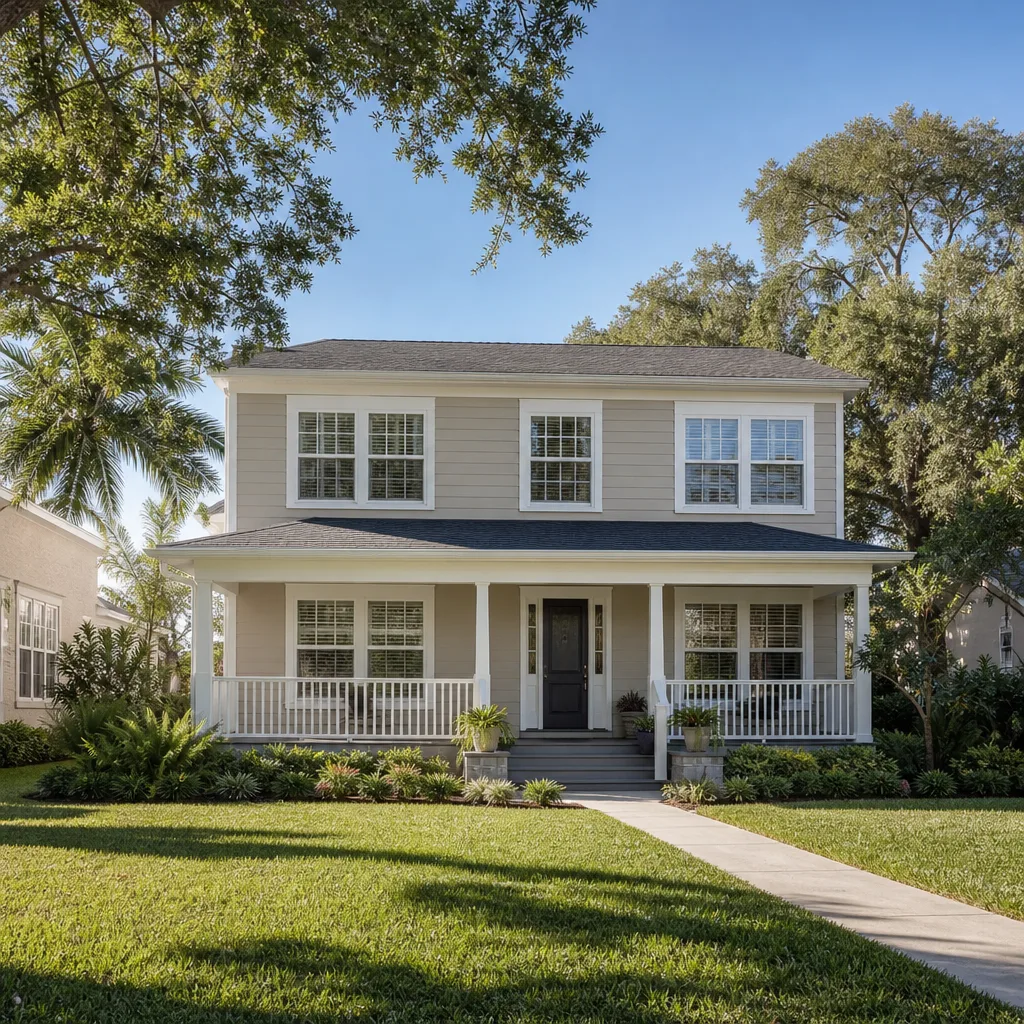
PGT’s product line for residential additions and ADUs in Sacramento breaks down into two main families: the WinGuard aluminum impact series and the SpectraGuard vinyl impact series. WinGuard is the heavier spec, common on new additions where the homeowner wants hurricane-rated performance even though Sacramento does not experience hurricane-force weather. SpectraGuard is the vinyl line, easier on budget and common on ADUs where the project runs on a tighter square-foot cost.
Identifying what’s on your job starts with the label. PGT etches or tags every unit with a product ID, usually on the frame edge or the glass corner. That ID tells you the series, the glass package, and the size. Without it, you’re guessing, and guessing on a $1,200 fixed window is a bad bet. PGT options include single-hung, casement, picture, and sliding doors, with custom sizes in 1/8-inch increments. The compatibility gotcha: PGT’s aluminum and vinyl lines do not share frame depths. A rough opening framed for WinGuard will not take SpectraGuard without reworking the casing, and the reverse is worse: you end up with 2 vertical inches of extra masonry or siding patch.
Our recommendation on OEM versus aftermarket for PGT specifically: stay OEM. PGT’s glass package and frame extrusions are spec’d to each other. An aftermarket sash or balance that “fits” per the catalog often changes the operating feel and voids the PGT manufacturer warranty. We’ve seen aftermarket balances on PGT single-hungs fail inside 18 months in Roseville’s heat. The component tolerances just don’t hold. For any PGT product, OEM is the right call.
Styles & brands we work with







Signs Your PGT Home Additions & ADU Is Failing
- Condensation between the glass panes. That’s a failed seal, which means the insulated glass unit lost its argon fill and its R-value. It happens faster in Sacramento because the summer-to-winter temperature swing stresses the sealant more than coastal climates. Once the seal goes, you don’t have an insulated window anymore.
- Sticking or dragging when you open the sash. On a PGT casement or slider, that’s usually the roller or hinge carrier wearing unevenly, or the frame has settled out of square since the original install. Shimming the unit back to square fixes it, but only if the substrate below the frame hasn’t moved.
- Water stains on the drywall below the window or door. That’s flashing failure or missing pan flashing at the rough sill. The water is getting in behind the PGT frame, not through the glass. In Folsom and Granite Bay, where homes get afternoon sun then fast temperature drops, flashing details matter more than people think.
- Air you can feel around the frame edges in winter. PGT units come with their own foam and gasket system, but if the original installer skipped backer rod or used spray foam in a way that bowed the frame, you’ll get airborne drafts through the trim gaps.
- Visible cracking at the miter joints of the PGT frame. This is rare on PGT, but it does happen when the window was forced into an undersized rough opening. The frame corner takes the load and eventually splits. If that’s what you’re seeing, the fix is not caulk. The unit comes out and the opening gets re-cut.
See the difference
 Before
 After
After Before
 After
After Before
 After
AfterReplacement Cost & What’s Included
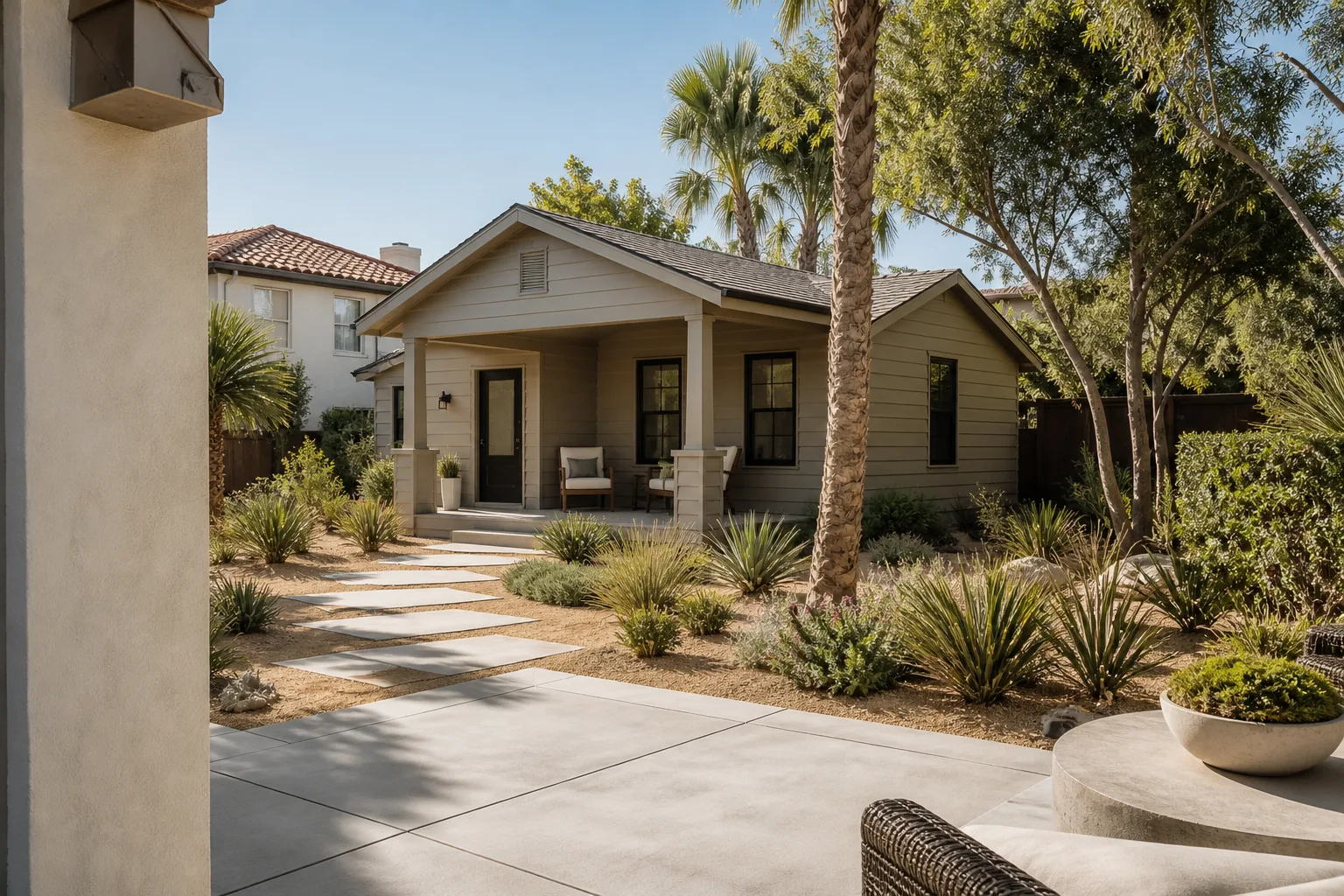
For a PGT-equipped home addition in Sacramento, we bid $45,000 to $130,000. A detached ADU with PGT windows and a sliding door runs $90,000 to $220,000 when we’re the GC from permit to final inspection. If you already have the addition built and you’re replacing two or three failed PGT windows plus re-flashing the rough openings, the scope is different from new construction. That kind of repair typically falls between $8,000 and $25,000, depending on how much stucco, siding, or drywall has to come off to expose the framing around the units. You’re not paying only for windows. You’re paying to get back to a condition where the windows function and seal again, and that means addressing the substrate.
The written price we give you before any work starts is the price. No change orders because we miscounted. The price reflects the PGT units at current supplier cost, the labor to remove and reinstall, the flashing materials, the finish trim restoration, and haul-away. What drives the range in Sacramento: single-story versus two-story access, whether the exterior is stucco or lap siding, and how many units are failed. Stucco work is slower and more expensive to patch correctly. Two-story work requires scaffold setup, which we include in the line-item breakdown.
Every replacement carries the 365-Day Done Right Promise: if the PGT product or our installation fails within the year, we come back and re-fix it at no charge. That’s written on the quote and again on your final paperwork.
DIY or Call Us?
Here’s the honest split on PGT home addition and ADU work in Sacramento. You can safely inspect and document: check the PGT ID label, take photos of condensation, note which windows weep after rain, and feel for drafts. That helps us quote accurately before we open a wall. What you should not do is pull the PGT frame out of the rough opening yourself. You’ll tear the flashing, you’ll likely damage the unit, and if the window is load-bearing overhead glass or a second-story unit, a failed removal can go wrong in a hurry. PGT units are heavy. A WinGuard casement in a 3-by-5 size can run 90 pounds or more, and gravity doesn’t negotiate.
If the problem is a cracked pane in a garden-level window, that’s a repair call. If the problem is water around the frame, that’s an opening-the-wall job. We’ll tell you which one you have when we see it. Call (279) 226-1509 and we’ll send a background-checked, uniformed tech to your Sacramento property to take measurements, match the PGT model to the opening, and put a written price in your hand. Straight scope, firm price, no surprises after the drywall goes up.
FAQs

A properly installed PGT window with an intact seal should give 20 to 30 years in Sacramento’s climate, with the caveat that the glass seal is the first thing to fail in a dry, high-temperature swing environment. The frame itself can outlast the seal by another decade, which is why replacing the insulated glass unit rather than the entire frame is sometimes the right repair.
Yes, in specific cases. A failed insulated glass unit can be swapped without pulling the whole frame if the sash comes out cleanly, but a warped or split frame cannot be field-repaired to PGT’s original spec. Either way, we’ll repair what’s repairable and replace what’s not, and the written quote will show exactly which we’re recommending and why. Call (279) 226-1509 for a free on-site look.
Most single-unit replacements on the ground floor go in inside one day, including flashing and basic stucco or siding patch. Two-story work typically runs two days, and if we find substrate rot that requires re-framing or sheathing work, add another day or two. We’ll give you the schedule in writing before we start.
We stock common balance assemblies, rollers, locks, and sealants for PGT’s most-installed series in Sacramento, and we order glass units and full frames against the specific product ID on your label. That keeps our inventory honest and keeps you from paying for a “universal” part that doesn’t actually fit. We also stock materials for KraftMaid, Cambria, and Silestone projects, which keeps our multi-trade jobs from stalling when a part fails mid-stream.
Written by Curtis Lane, Owner, Bradford Remodeling Co Sacramento at Bradford Remodeling Co Sacramento, serving Sacramento and nearby areas.


